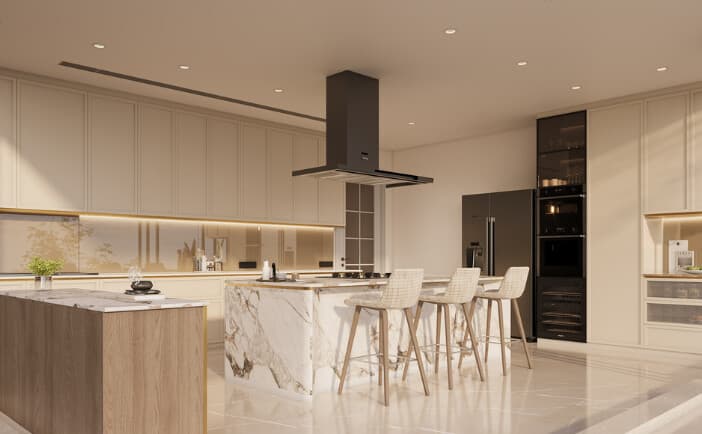
Interior Design
Dec 30, 2025
Interior Design
Dec 30, 2025Designing a sustainable home starts at the layout stage, not materials alone. Through software and 3D planning, sustainability begins on screen before site.
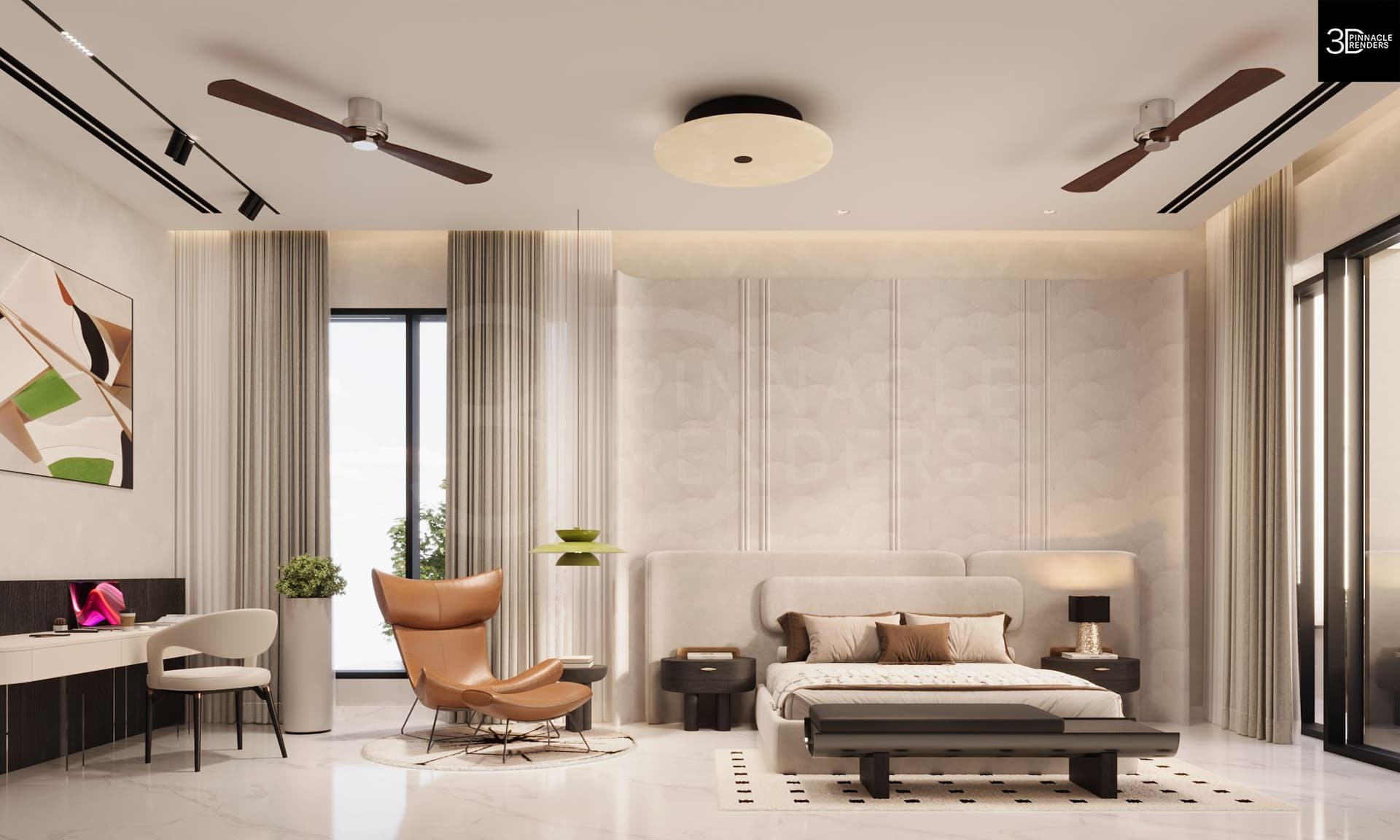
In sustainable residential design, the floor plan plays a critical role in long-term energy efficiency and usability. Well-planned layouts reduce dependency on artificial lighting, mechanical ventilation, and frequent renovations.
When designing interior layouts on software, key sustainability factors include:
For example, stacking wet areas such as kitchens, bathrooms, and utility zones reduces plumbing lengths and material usage. These layout decisions directly support sustainable architecture without increasing project costs.
Natural light is one of the most important elements of sustainable home interiors. While working on 3D visualization software, daylight behavior can be predicted and optimized during the design phase itself.
Effective daylight-focused interior planning includes:
Homes designed with proper daylight planning consume less energy and create healthier living environments, which is a major priority for modern residential clients.
One of the biggest advantages of digital interior design workflows is accuracy. Detailed 3D interior models help minimize material wastage during execution.
Through precise modeling and layout drawings:
This approach reduces site-level improvisation, saves cost, and supports sustainable construction practices.
Selecting sustainable materials is about balancing environmental impact with durability and practicality. Designers play a key role in guiding clients toward materials that perform well over time.
Common sustainable interior material choices include:
Materials that last longer reduce replacement cycles and contribute to a more sustainable home lifecycle.
A sustainable home should be adaptable to changing lifestyle needs. Interior layouts that allow flexibility reduce the need for major renovations in the future.
Design strategies for long-term flexibility include:
Homes designed for adaptability remain functional longer and consume fewer resources over time.
While engineers handle technical systems, interior designers influence energy efficiency through planning and detailing decisions.
Design-led energy efficiency includes:
Good interior design reduces reliance on mechanical systems and improves overall energy performance.
Biophilic design is an important part of sustainable residential interiors. Even during layout and 3D planning, a connection to nature can be intentionally designed.
This includes:
Biophilic interiors improve well-being while reinforcing sustainable living principles.
For architects and interior design firms, sustainable home design is not an afterthought. It begins with intelligent layouts, accurate 3D planning, and thoughtful interior detailing.
As a designer working on interior layouts and visualization software, I believe sustainability is embedded in every plan, model, and material choice. When sustainability is addressed during the design and planning phase, the final built home becomes naturally efficient, durable, and future-ready.
At Pinnacle3D Renders, we transform ideas into immersive 3D experiences — from architectural renders to detailed interior visualizations that bring your space to life before a single brick is laid.