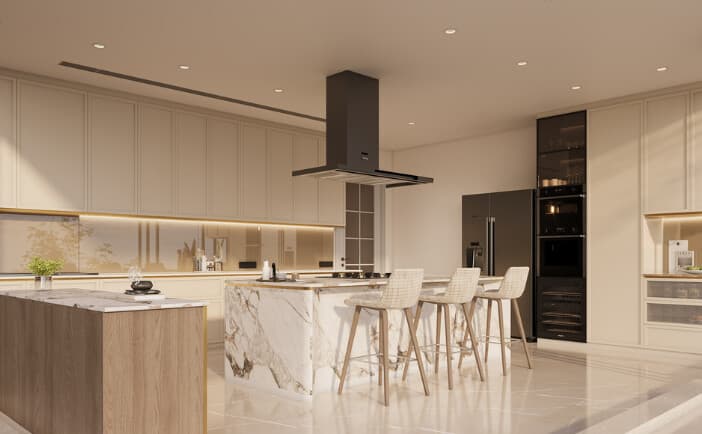
Interior Design
Dec 30, 2025
Interior Design
Nov 14, 2025Lighting design shapes how interiors feel and function. Planned early through layouts and 3D design, it enhances comfort, mood, and spatial clarity.
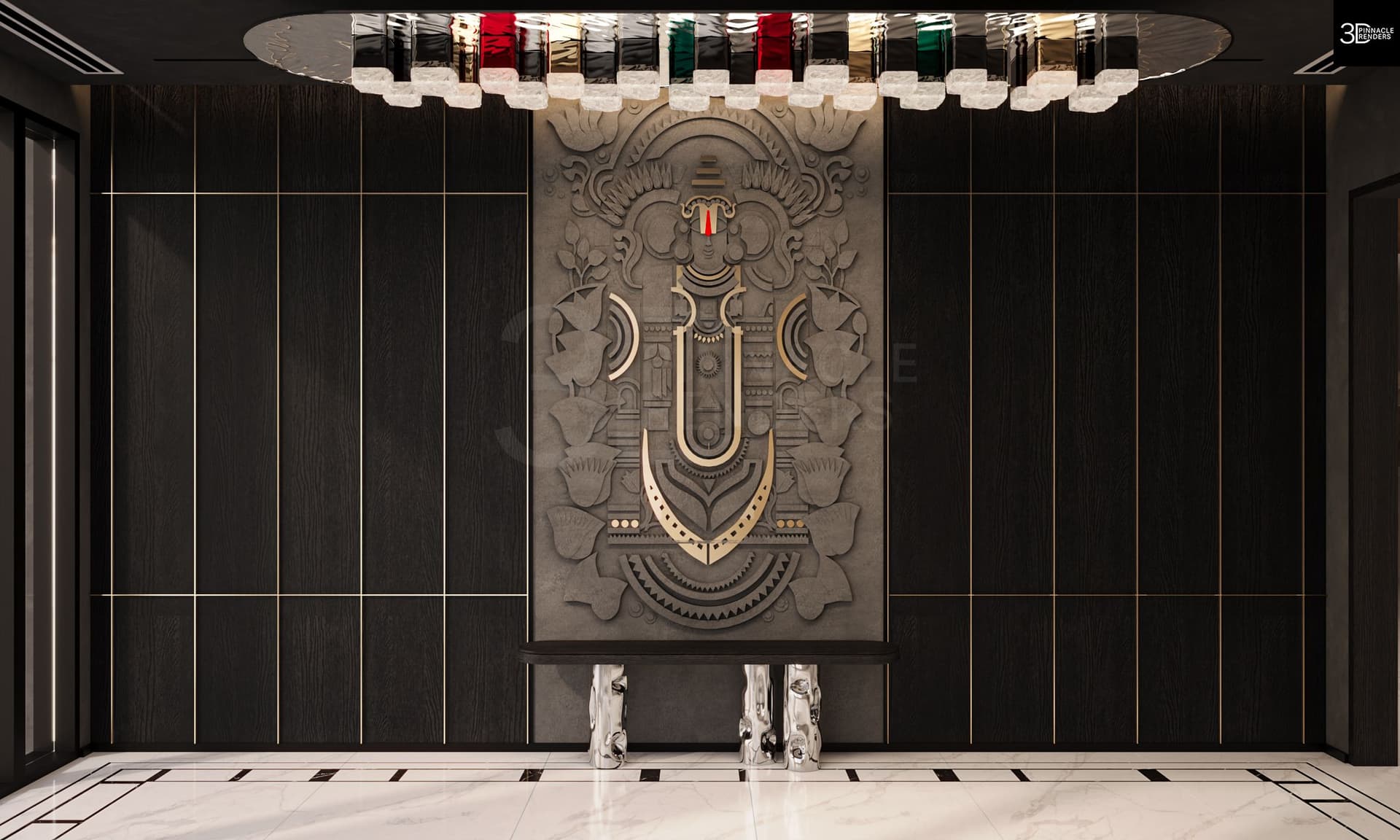
Lighting design is one of the most influential elements in interior spaces, yet it is often addressed too late in the design process. Good lighting does far more than illuminate a room. It defines how spaces are used, how materials are perceived, and how comfortable an interior feels throughout the day. From my experience working on interior layouts and 3D visualization software for design firms, lighting design works best when it is planned alongside the layout rather than added after everything else is fixed.
When lighting is integrated early into interior planning, it naturally aligns with furniture layouts, circulation paths, and architectural features. Spaces feel intentional rather than overlit or visually cluttered. Early lighting planning also reduces the need for excessive fixtures and last-minute wiring changes, which often impact both budgets and aesthetics.
A well-designed interior lighting scheme relies on balance. Ambient lighting creates a comfortable base level of illumination, task lighting supports daily activities, and accent lighting adds depth and visual interest. When these layers are planned together, interiors feel flexible and responsive. In 3D visualization, this balance becomes very clear, allowing designers and clients to understand how a space transitions from day to night and how different lighting scenarios affect mood.
Lighting has a strong influence on how we perceive space. Strategic placement of light can make rooms feel larger, ceilings feel higher, and narrow areas feel more open. Indirect lighting softens interiors and reduces visual fatigue, while focused lighting helps guide attention toward architectural details or focal points. These subtle effects are difficult to communicate through drawings alone but become obvious during lighting simulations and renders.
Materials and lighting must always be designed together. Every surface reacts differently to light depending on its color, texture, and reflectivity. Matte finishes absorb light and create softness, while glossy surfaces reflect light and can cause glare if not handled carefully. Testing lighting in a digital environment helps fine-tune fixture placement and intensity so materials look natural and balanced in the final space.
Lighting design also plays a major role in energy efficiency. Thoughtful lighting layouts reduce dependency on high wattage fixtures by combining layered lighting with natural daylight. When lighting is planned according to usage rather than uniform brightness, spaces become more efficient without sacrificing comfort. This approach supports sustainable interior design while maintaining visual quality.
Different interior spaces require different lighting approaches. Living areas benefit from flexible and layered lighting that adapts to various activities. Kitchens and workspaces need clear, glare-free task lighting. Bedrooms require softer, more indirect lighting to support rest and relaxation. Designing lighting room by room ensures that each space functions exactly as intended.
Through 3D visualization and walkthroughs, lighting design becomes easier to evaluate and refine before execution. Clients gain clarity, design decisions become more confident, and on-site revisions are significantly reduced. This leads to better alignment between design intent and the finished interior.
Lighting design is not about adding more fixtures. It is about understanding how light supports function, mood, and spatial experience. When lighting is designed thoughtfully at the layout and planning stage, interior spaces feel cohesive, comfortable, and timeless.
At Pinnacle3D Renders, we transform ideas into immersive 3D experiences — from architectural renders to detailed interior visualizations that bring your space to life before a single brick is laid.